How can Businesses Protect against Cloud-Based Data Loss or Outages?
Businesses can protect against cloud-based data loss and outages by maintaining independent backups, implementing a disaster recovery plan, following the 3-2-1 backup rule, regularly testing recovery procedures and retaining control over critical infrastructure. While cloud providers secure their platforms, organisations remain responsible for protecting and recovering their own data.
Cloud computing has transformed how organisations store, process, and access data. Yet despite the benefits of flexibility and scalability, hyperscale public cloud solutions are by no way immune to data loss, outages, or cyber incidents. In an era of escalating cyber threats and tightening regulation, businesses must take ownership of their own resilience — because when something goes wrong, the responsibility for data protection lies with you, not your cloud provider.
The Shared Responsibility Reality
Public cloud platforms operate under a shared responsibility model: the provider secures the infrastructure, but customers are accountable for their own data. That means accidental deletion, ransomware, or misconfigurations are your risk to manage.
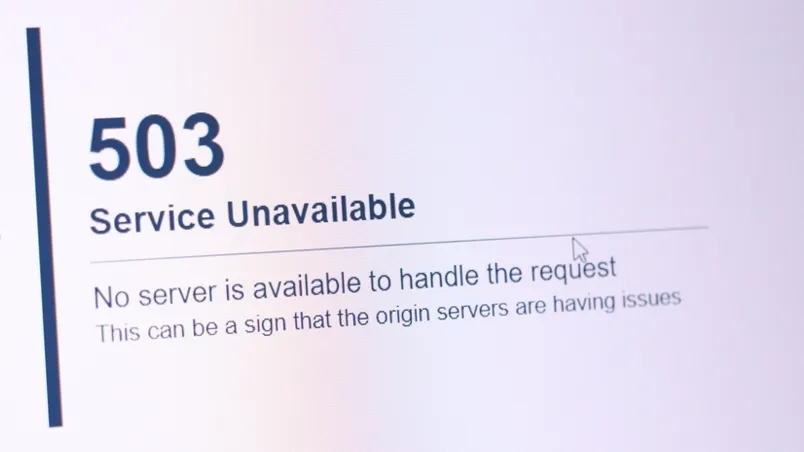
Many businesses assume their data is automatically backed up by the provider — only to discover too late that “high availability” and “data recovery” are two very different things. Without an independent DR plan, even a brief cloud service affecting event can lead to prolonged disruption or permanent data loss.
Why Independent Backup Matters
With ransomware and credential theft now commonplace, a separate and independent backup is essential. The proven “3-2-1 rule” still applies: keep three copies of your data, on two different media types, with one stored offsite or offline.
This is where user-owned infrastructure—whether in a colocation facility or a private cloud—offers distinct advantages. Hosting your backup environment in your own controlled space gives you:
· Full ownership and visibility over where and how your data is stored
· Isolation from public cloud vulnerabilities or vendor outages
· Predictable long-term costs without unpredictable egress or storage fees
· Faster recovery times thanks to local access and low latency
In short, private infrastructure provides the resilience and control that many businesses lose in a cloud-only based setup.
Compliance: NIS2, DORA and Operational Resilience
With the NIS2 Directive and DORA (Digital Operational Resilience Act) coming into effect, regulatory focus on data availability and recoverability is increasing rapidly. Both frameworks place clear accountability on organisations — not their vendors — to maintain robust continuity and recovery capabilities.
User-owned or colocated infrastructure makes compliance easier to demonstrate. It allows businesses to prove control over data residency, apply consistent security policies, and test disaster recovery processes in a known environment — all key requirements under NIS2 and DORA.
Building a Robust Disaster Recovery Strategy
A sound disaster recovery (DR) plan doesn’t just back up data; it ensures business continuity. To achieve that:
1. Identify critical systems and dependencies – Prioritise workloads that impact operations most.
2. Set realistic recovery objectives (RTO/RPO) – Align them with business risk tolerance.
3. Test and refine regularly – Simulate failovers to confirm recovery works as intended.
4. Leverage hybrid architecture – Use user-owned infrastructure for production or DR, complemented by public cloud for elasticity and scaling.
5. Partner with experienced providers – Experts in colocation and hybrid cloud can help you build, test, and manage a resilient architecture
In summary: cloud convenience doesn’t replace responsibility. True resilience comes from owning your critical infrastructure, maintaining independent backups, and ensuring your data remains accessible, compliant, and recoverable—whatever happens in the cloud.
Frequently Asked Questions
Q. Who is responsible for protecting data in the cloud?
A. Under the shared responsibility model, cloud providers secure the infrastructure while customers remain responsible for protecting and recovering their own data.
Q. What is the 3-2-1 backup rule?
A. The 3-2-1 rule recommends maintaining three copies of data, stored on two different media types, with one copy kept offsite or offline.
Q. Can data still be lost in the cloud?
A. Yes. Accidental deletion, ransomware, credential compromise and configuration errors can all result in data loss if appropriate backup measures are not in place.
Q. Why is disaster recovery testing important?
A. Regular testing helps ensure systems can be recovered within required recovery objectives and that recovery processes work as expected.
Q. How can hybrid infrastructure improve resilience?
A. Hybrid architectures allow organisations to combine public cloud flexibility with privately controlled infrastructure for backup, recovery and compliance requirements.